Commercial Rice Cooker Buying Guide: Capacity, Tiers and Gas Supply
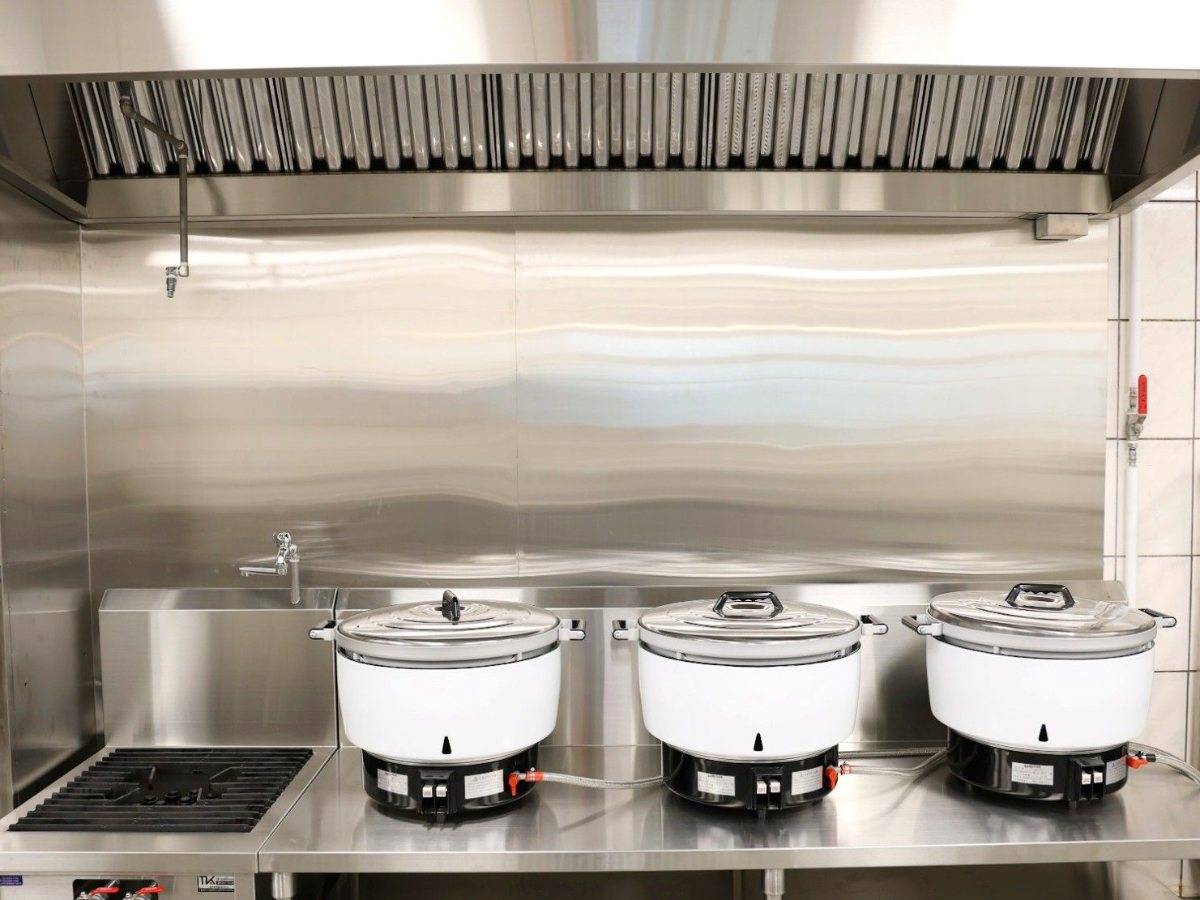
How to choose a commercial gas rice cooker: capacity, tiers, unit height and gas supply, compared with HATTORI multi-tier and single-pot specifications.
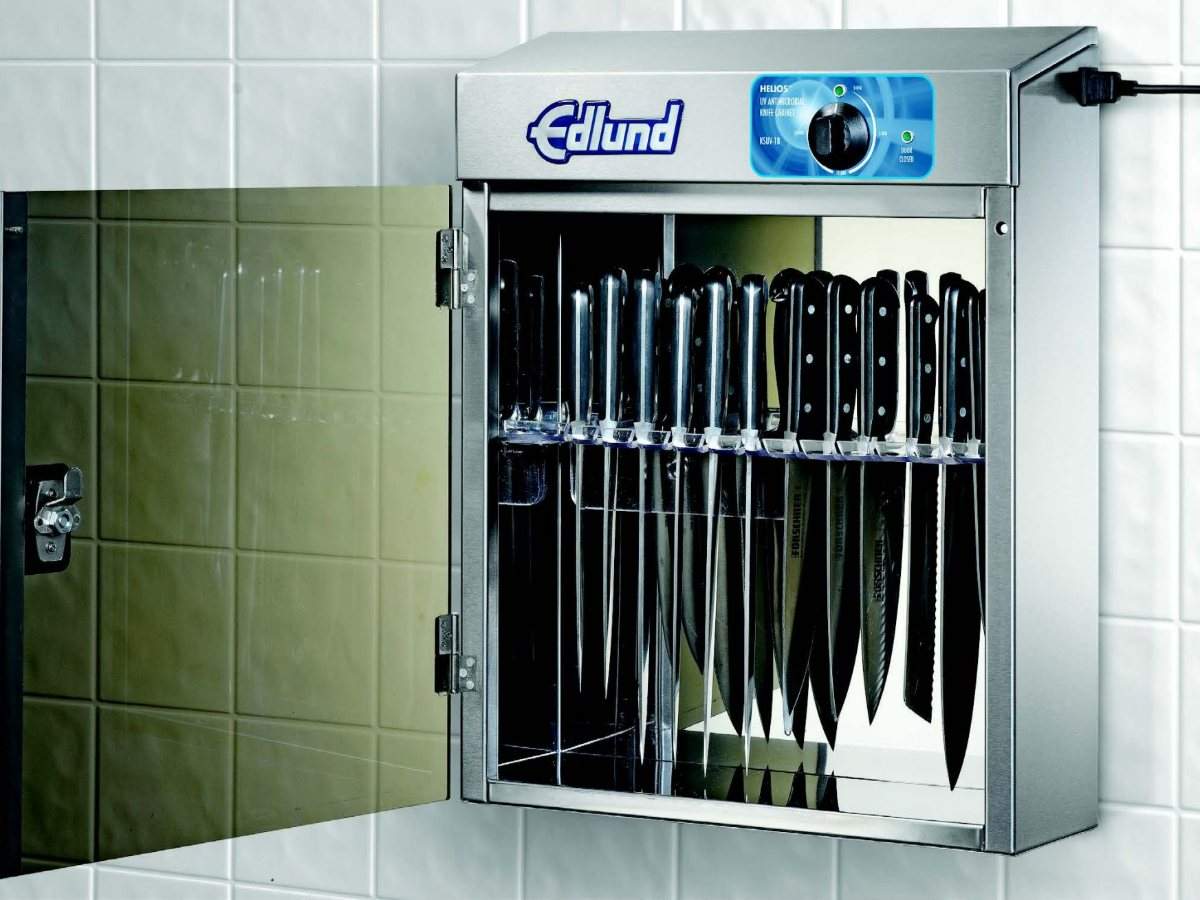
How to choose a commercial UV knife sanitizer cabinet: knife capacity, timer, safety interlock, power and placement, based on Edlund KSUV-18 specifications.
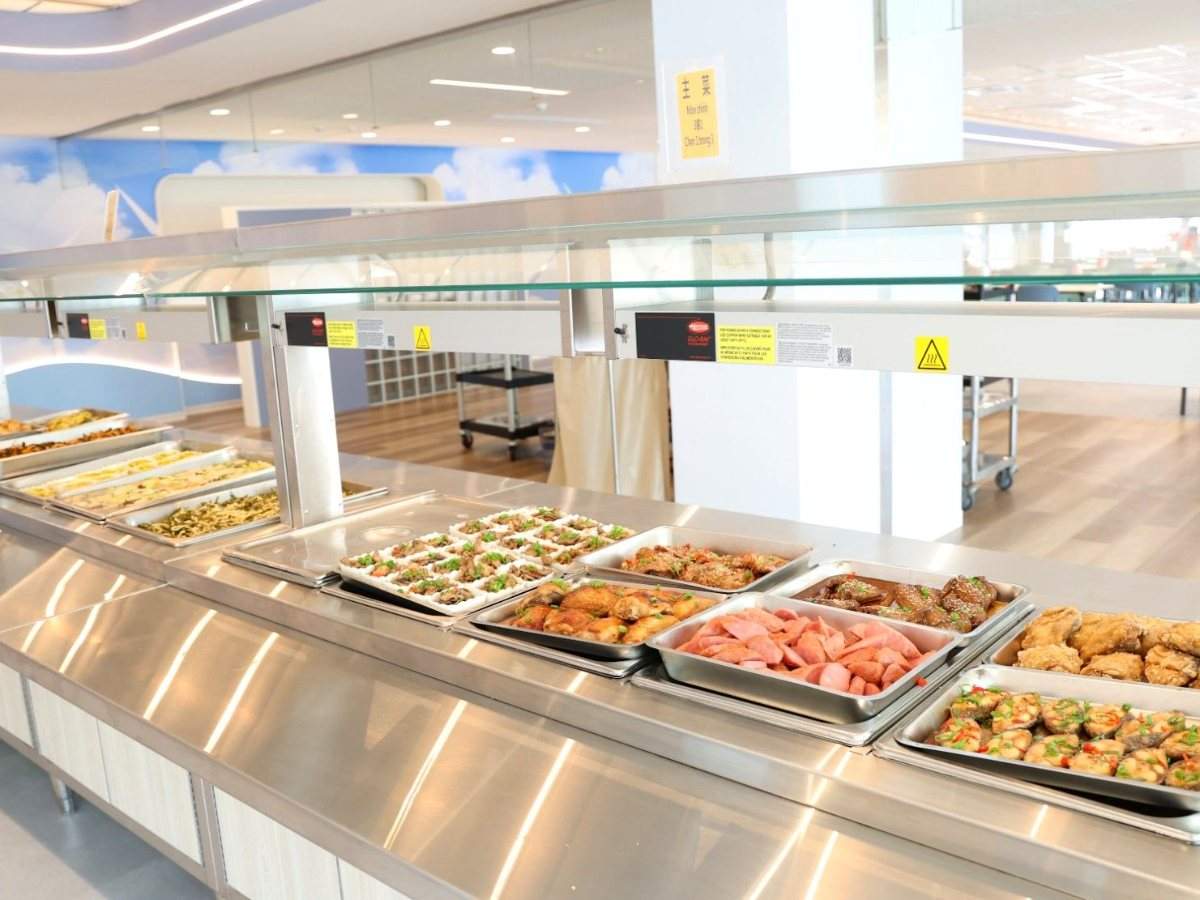
How to choose a commercial soup warmer: capacity, temperature range, power and countertop vs drop-in wells, compared with Hatco and APW Wyott specifications.
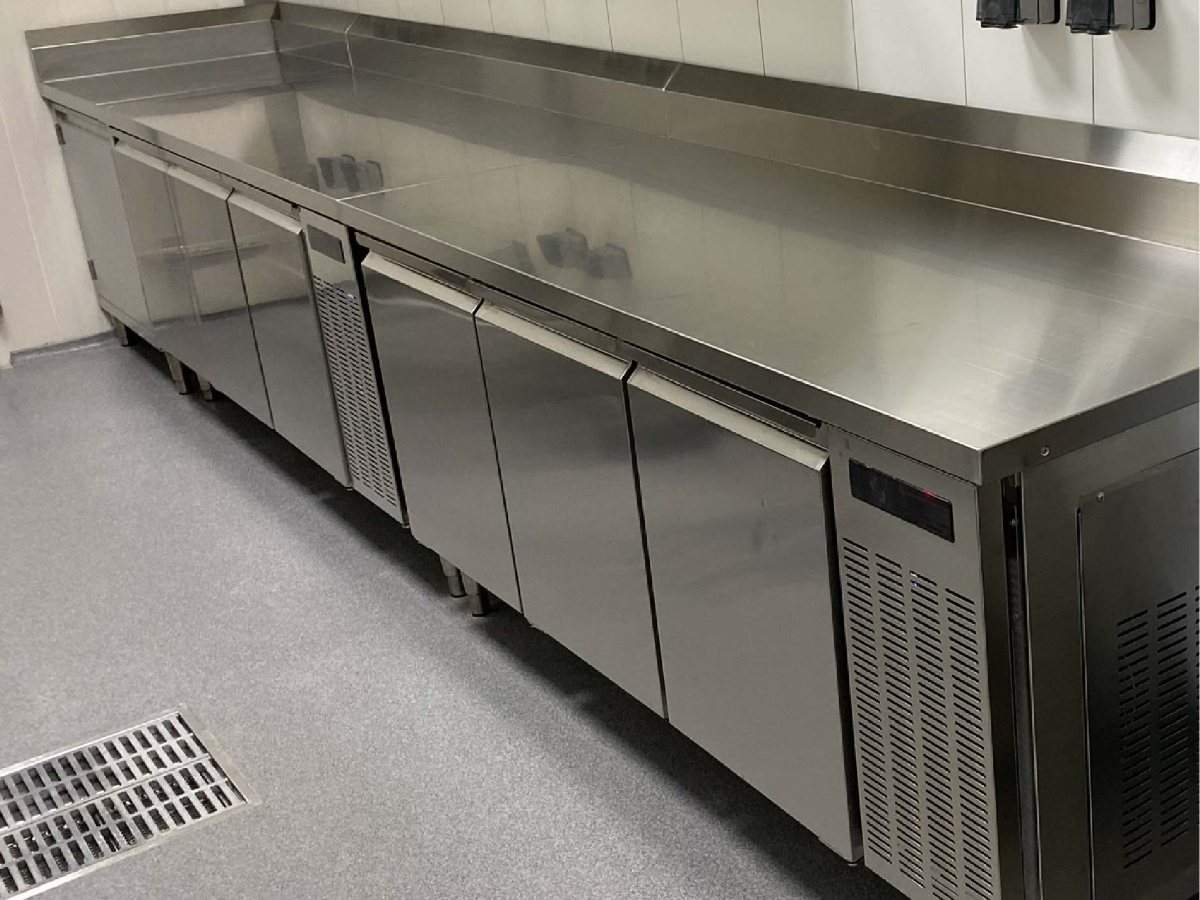
Choosing a refrigerated prep counter: doors or drawers, size, worktop height and temperature zones, with Williams specs and how it pairs with an upright fridge.
Stand mixer or hand blender? How to choose a commercial mixer by capacity, power, speed control and cleaning, with Varimixer, Kolb and Robot Coupe specs.
Choosing a commercial glass washer: opening height, hourly capacity, power and drainage, with Hobart and MEIKO specs and when a dishwasher can do both jobs.
How to size a commercial ice machine: daily production, bin storage, installation and water quality, with real Sunice TF-210, TF-420 and TF-1000 specifications.
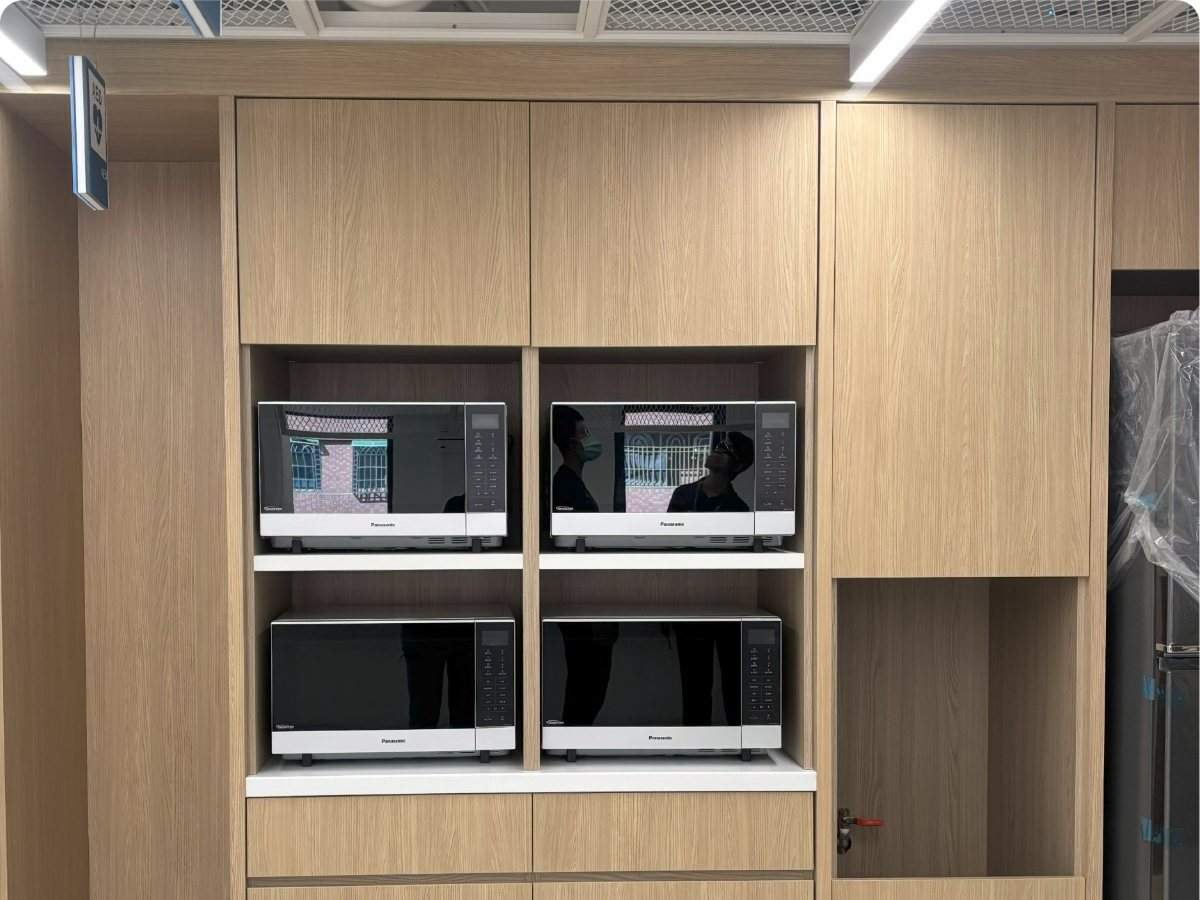
Commercial vs domestic microwaves, how to read power and capacity, and when to choose a speed oven, with real Panasonic, TurboChef, Kolb and Rnice specs.
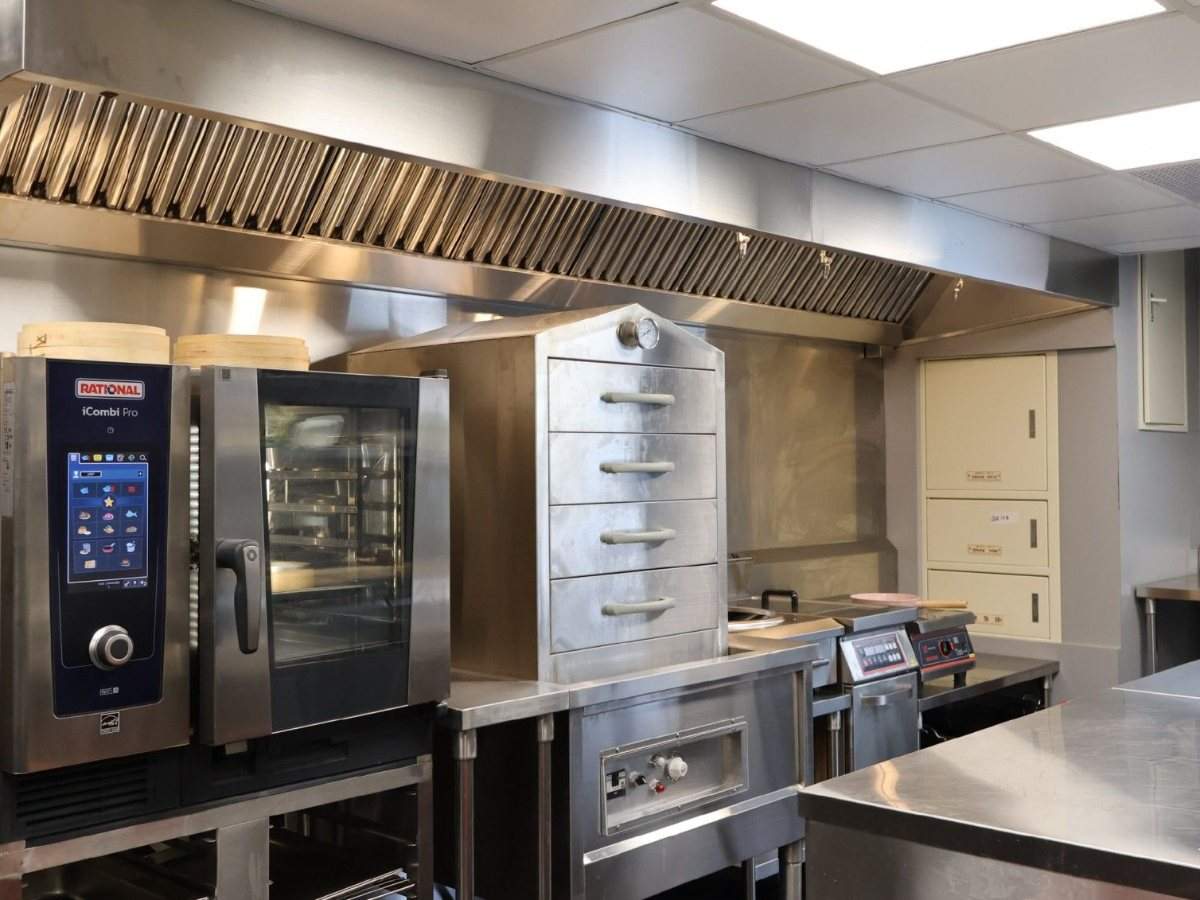
Choosing a combi oven starts with five checks: tray capacity, power, water and drainage, space and cleaning. Real Rational, MKN and Angelo Po specs compared.
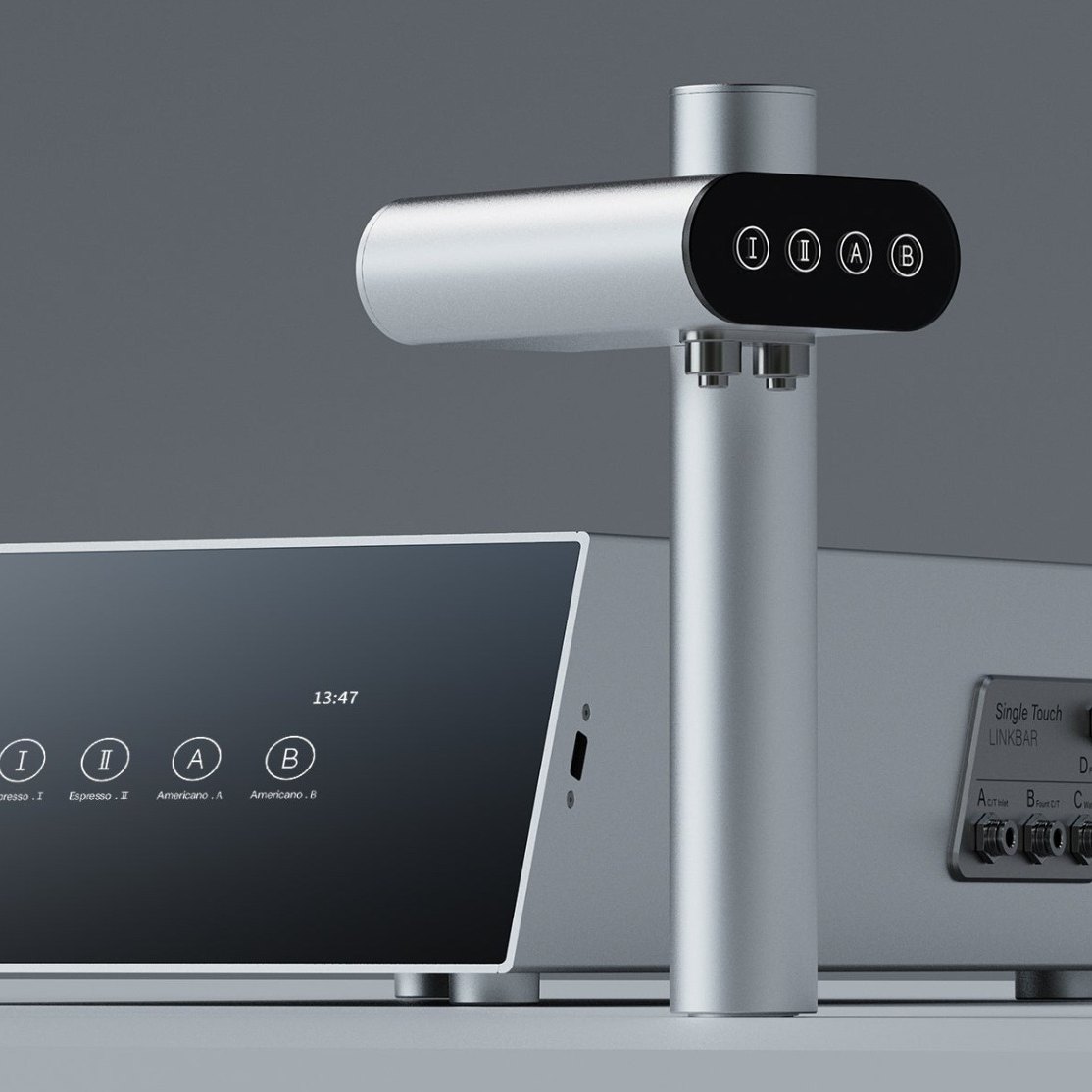
Semi-automatic, fully automatic or under-counter? This guide compares how the three types of commercial coffee machine dispense, operate and sit on the bar, using Linkbar Single Touch as the under-counter example.
Commercial kitchen fit-outs run on a fixed rhythm: when the menu is locked, when equipment is ordered, and when installation starts. Every stall pushes the opening date. Using a typical 90-day preparation window, here is the equipment-side timeline, the checkpoints at each stage, and the three places projects most often get stuck.
The purchase price of a commercial kitchen machine is usually only part of what it costs over its working life. What really decides whether a machine is expensive comes after purchase: energy, consumables, repairs and downtime. This guide breaks down the four hidden lines, shows how to compare on total cost of ownership, and lists three signals that replacement is due.
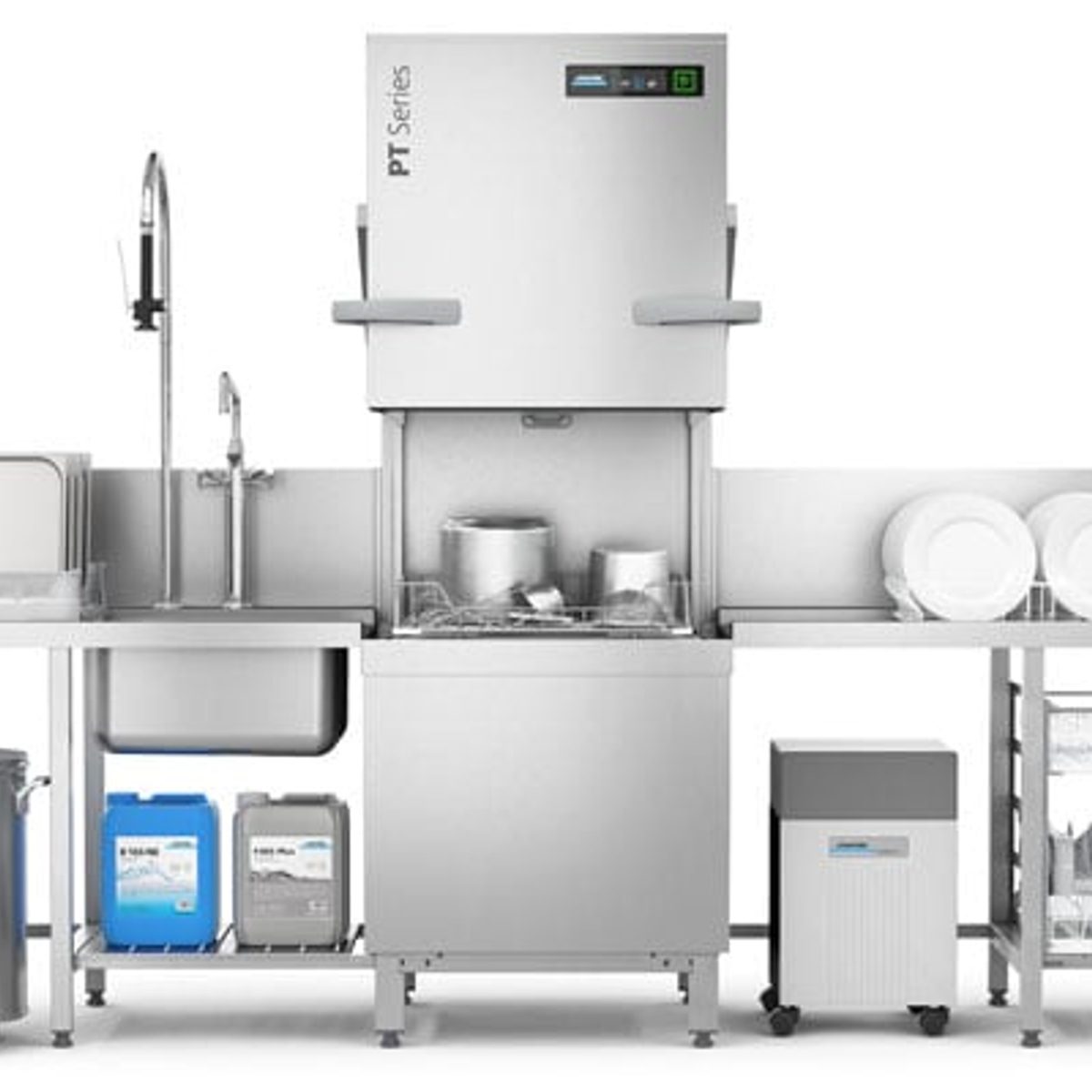
Labour shortage is now the norm in Taiwan food service, and equipment is one of the most direct answers: a dishwasher replaces an entire washing shift, and a combi oven lets a three-person kitchen produce like five. This guide covers the four equipment types that genuinely save labour, how to calculate payback, and what to settle before adopting.
In a bubble tea shop, serving speed is usually limited not by staff but by ice capacity, water quality and bar flow. This guide covers the complete equipment list, how to size the ice maker, why water decides both tea quality and machine life, and equipment standardisation for expansion.
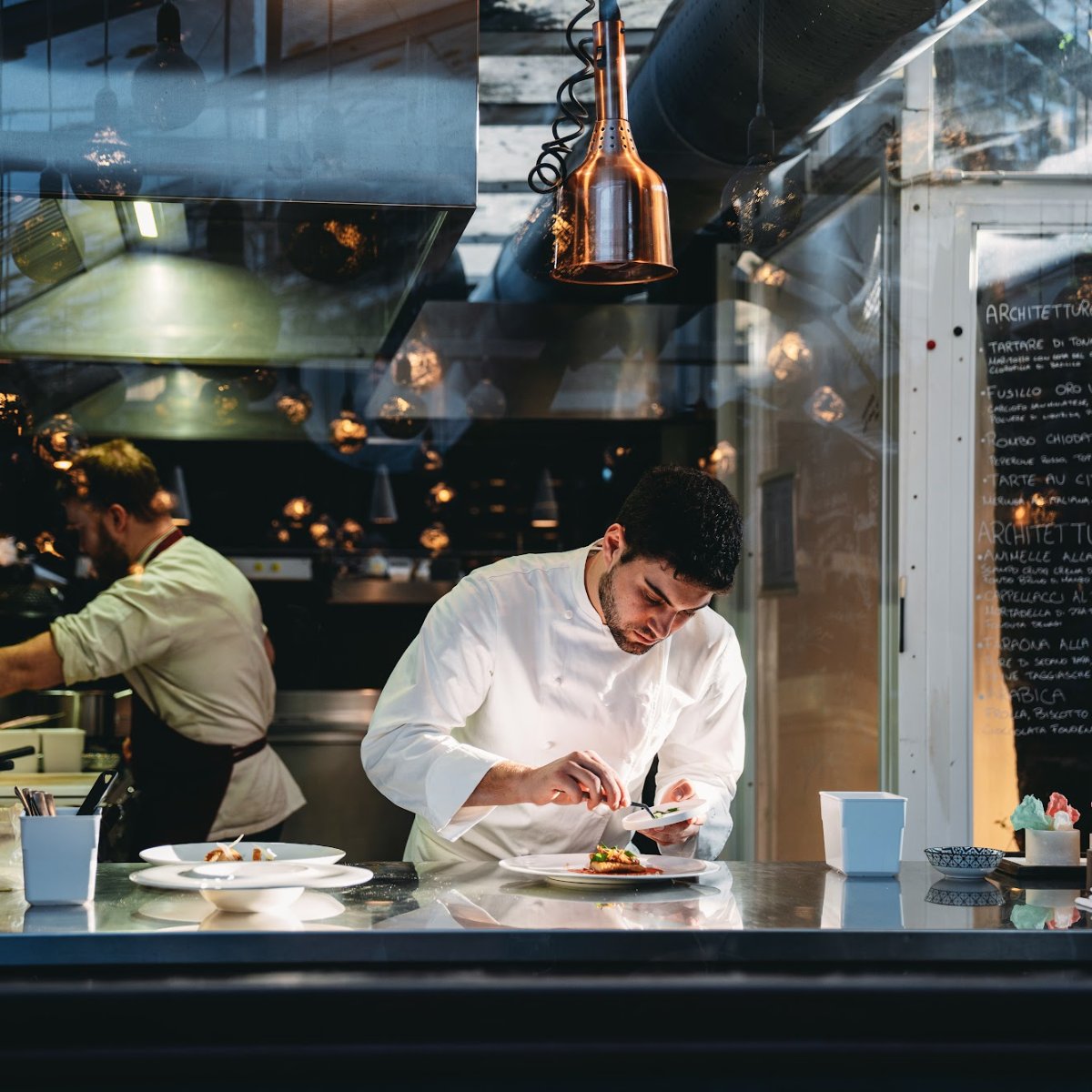
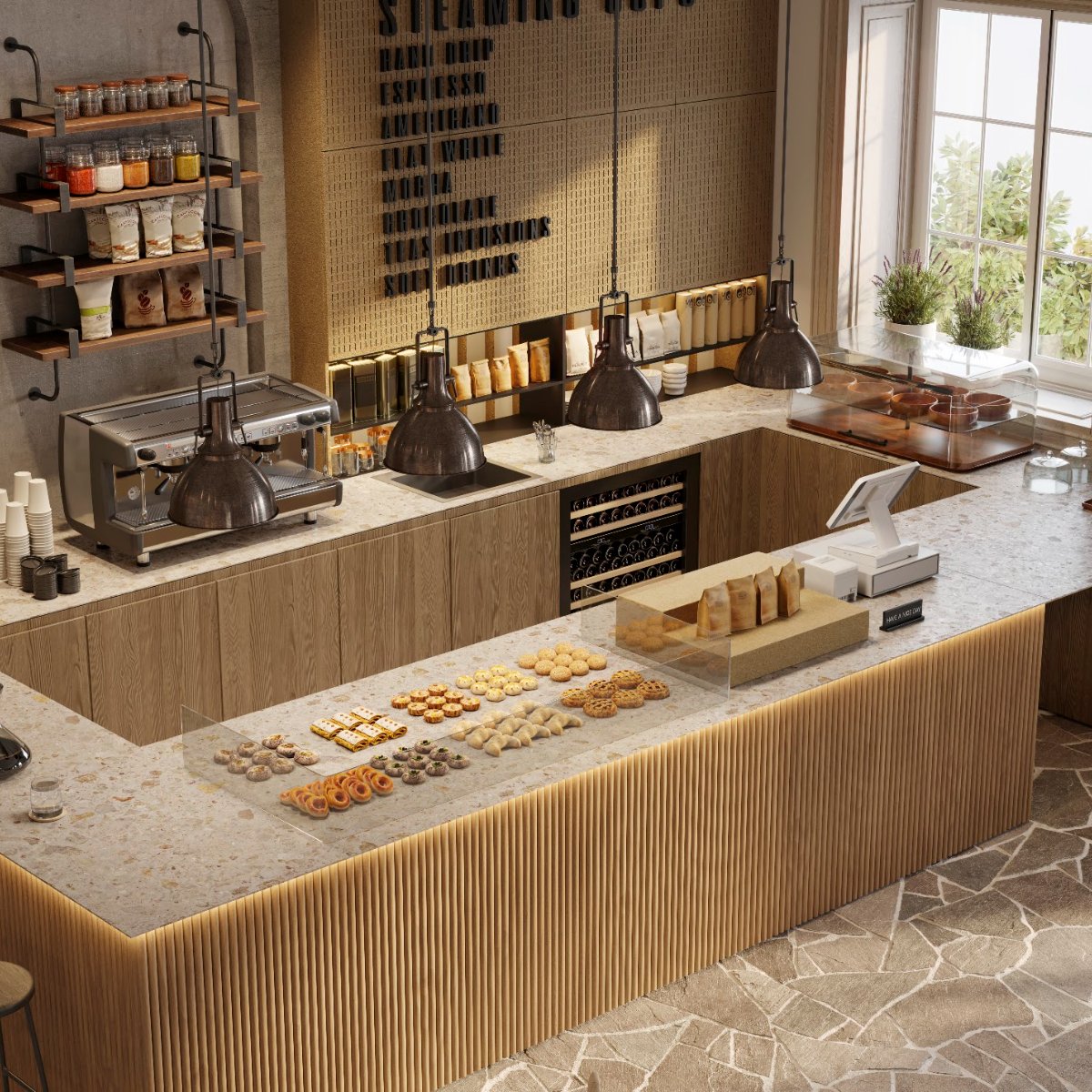
Equipping a coffee shop breaks down into four zones: the coffee bar (machine, grinders, water treatment), ice and refrigeration, light food preparation, and warewashing. This checklist walks through each zone in opening order, covers the two most underestimated items, water and power, and explains when full planning support makes sense.
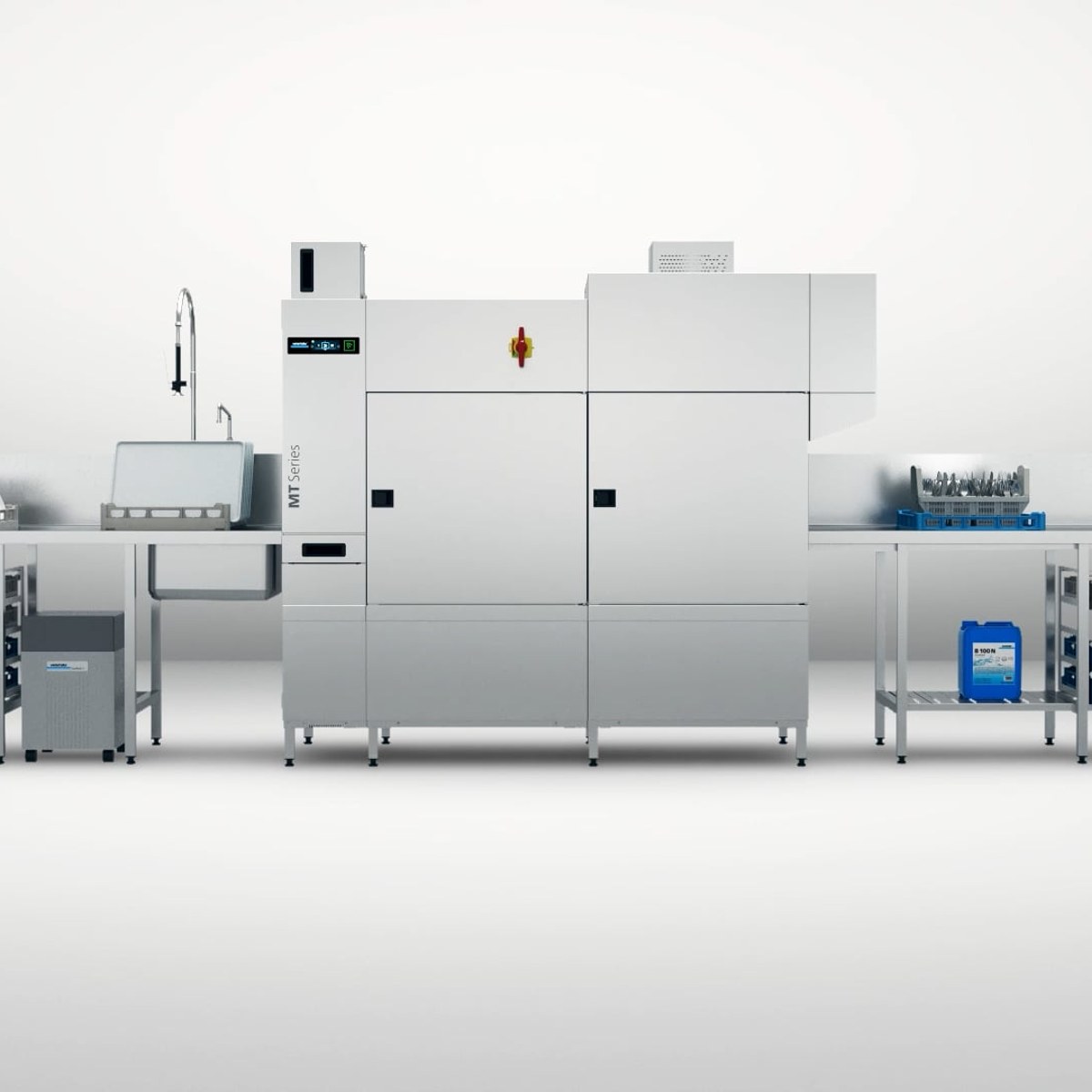
Choosing a commercial dishwasher comes down to three factors: peak-hour volume decides the machine type (undercounter, hood type or rack conveyor), water quality decides wash and drying results, and energy consumption decides long-term cost. This guide compares the three machine types and lists four site conditions to confirm before you choose.